
Why this page exists
Slot data online is messier than most players expect. When we started checking Plants vs. Zombies by AWG, we ran into RTP figures that ranged from roughly 91.5% to 96%, and payline counts that differed depending on which site we visited. Rather than pick the number that sounded most plausible, we're walking through the actual steps we took to verify what we could and mark clearly what we couldn't. This page is our answer to the question players ask most: how do you know your numbers are right?
Step by step: how we checked this game
First, we look for the provider's own game page. For Plants vs. Zombies, we could not confirm an official AWG page listing verified specs, so we treat every third-party figure with extra caution rather than assuming any single source is authoritative.
Second, we pull data from multiple independent slot databases and reviewers, not just one. For this title we checked eight sources, including Slots Temple, SlotsLaunch, Vegas Slots Online, and a Canadian PlayNow listing. When several sources agree, we treat that as reasonably solid ground.
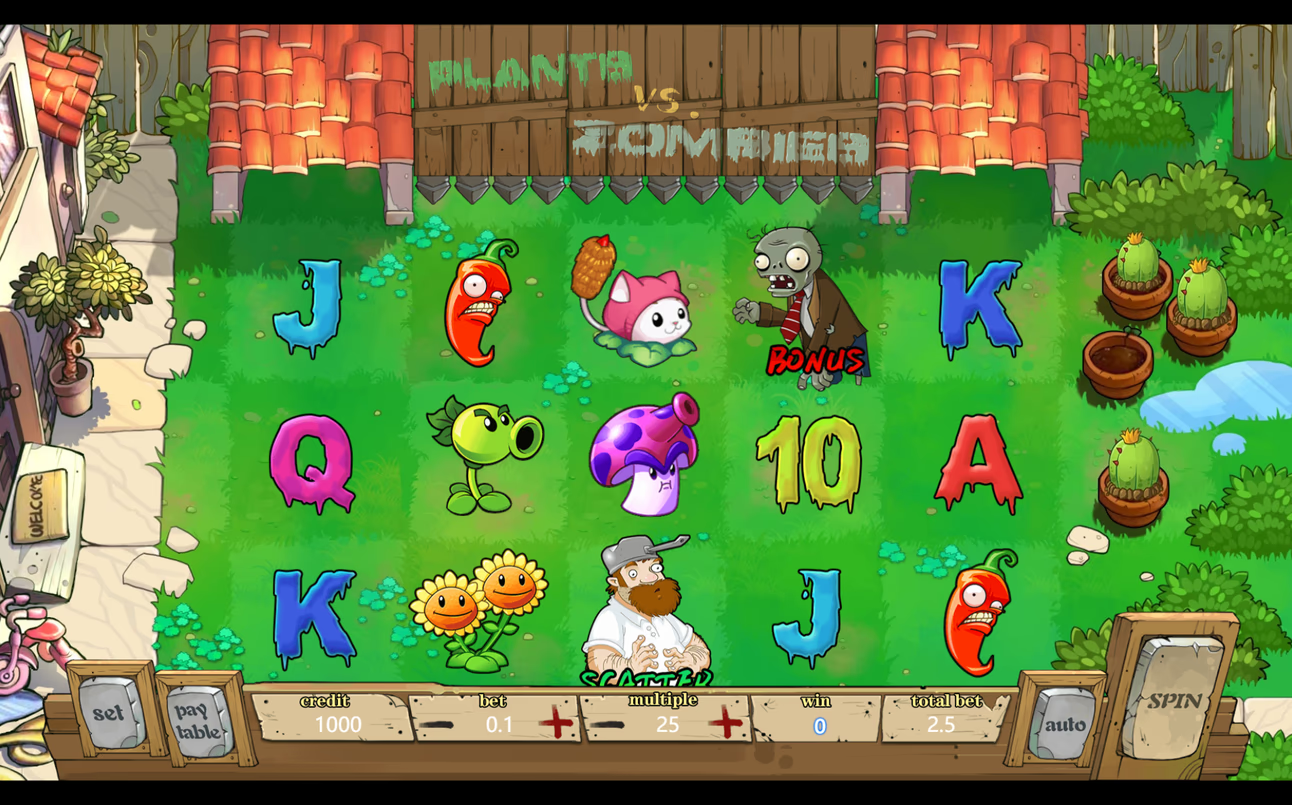
Third, we compare the numbers against each other before publishing anything. Here, RTP estimates split across five different values and payline counts split between 20 and 9 depending on the source. That gap told us we were possibly looking at two different game builds, not one game with fuzzy reporting.
Fourth, when we spot a mismatch this size, we check whether it might be a naming collision. The PlayNow listing describes a 5-reel, 9-line bingo-style mini game under a nearly identical title, while other databases describe a 5-reel, 20-payline video slot. We flag this openly instead of merging the two into one tidy spec sheet.
Fifth, if a number still can't be pinned down after all that, we say so directly on the page rather than filling the gap with an industry-typical figure. You'll see 'not confirmed' instead of a guessed RTP or hit frequency, because a wrong number is worse than an honest gap.
Finally, we revisit pages periodically. If AWG publishes an official spec sheet or a studio-owned game page appears, we update the review and note what changed.
What this means when you read our reviews
When you see a specific figure on one of our pages, it's because at least two independent sources agreed on it, or the provider itself confirmed it. When you see a range instead, like an RTP spanning several percentage points, that's us reporting the actual spread we found rather than smoothing it into a single tidy number.
For Plants vs. Zombies specifically, this means we won't tell you the game pays out at exactly one RTP figure, because the sources we checked don't agree closely enough for that. We also won't merge the bingo-style PlayNow version with the video slot version just because they share a name, since the reel and payline structure genuinely differs between them.
This approach is slower than picking a plausible number and moving on. It also means some of our pages will read as less complete than sites that state a single confident RTP for every game. We'd rather leave a gap visible than fill it with something we can't stand behind if you check it yourself.
If you're comparing this to other reviews and see a different RTP quoted with total confidence, that's worth noticing. It doesn't necessarily mean that source is wrong, but it does mean at least one of us is working from a source the other hasn't seen, and neither of us has a studio-confirmed number to settle it.